Comparing Blackjack Variants in Canada
Blackjack variants in Canada differ mainly through changes in rules like how many decks are used, when the dealer stands, and the payout for a natural blackjack, each of which shifts the house edge. A single deck game with a 3 to 2 payout typically gives the house a 0.5 percent advantage, while switching to six decks or lowering the payout to 6 to 5 can push the edge above 1.5 percent. Rules on doubling after splitting and whether the dealer hits on soft 17 also alter player odds by small but significant margins.
Which blackjack rules change the odds most
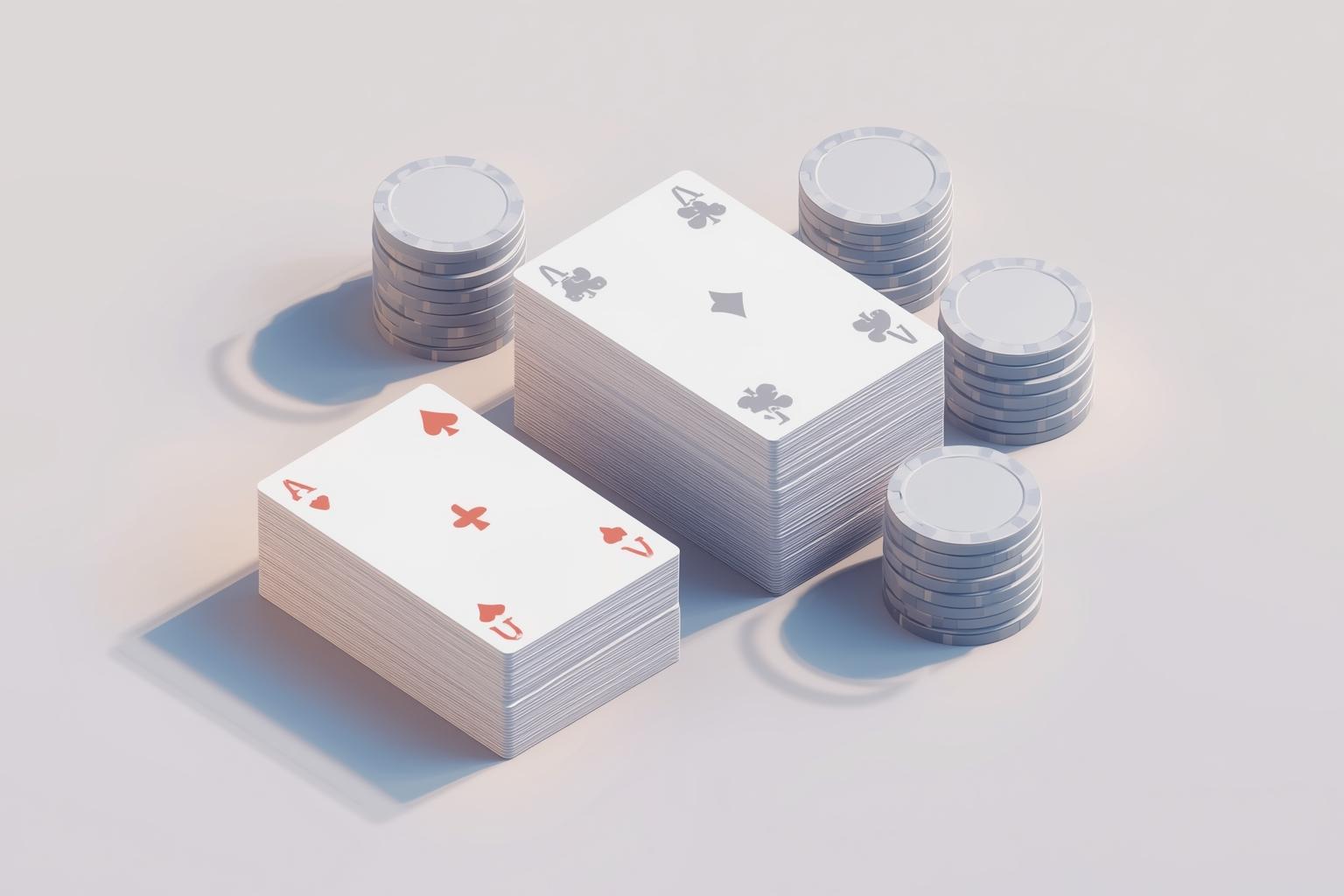
Blackjack games in Canada often differ in rules that shape the actual odds. Whether the dealer hits or stands on soft 17, the payout for a natural, or the number of decks in use, each adjustment shifts the house edge in subtle or dramatic ways. Even a single rule change can turn a player-friendly table into a tougher challenge.
Dealer stands or hits on soft 17
Blackjack tables where the dealer stands on soft 17 reduce the house edge compared to those where the dealer hits. This rule difference becomes especially clear in games with otherwise similar conditions, giving players a measurable edge in the long run.
| Dealer action on soft 17 | House edge impact | Common in | Player strategy shift |
|---|---|---|---|
| Dealer stands | Lower edge | Land-based casinos | No adjustment needed |
| Dealer hits | Higher edge | Online games | Adjust basic strategy |
| 8 decks, dealer hits | Highest edge | Online tables | Increase caution with soft totals |
| Single deck, dealer stands | Lowest edge | Private games | Standard soft hand play |
| 6 decks, dealer hits | Moderate edge | Resort casinos | Less value from doubling on soft hands |
Tables where the dealer stands on soft 17 almost always offer better odds for players hunting for any edge. If the rules list the dealer hitting on soft 17, expect to lose more over time even with perfect play.
Number of decks in play
Games using more decks shift the balance in favor of the house by making natural blackjacks less frequent. Card counters find it harder to track which cards remain when more decks are shuffled together. These effects play out in several practical ways:
- Single deck – more frequent blackjacks, less dilution of high cards
- Six decks – house edge increases, card counting becomes harder
- Eight decks – most common in large casinos, further increases house advantage
- Double deck – still favorable for basic strategy, less so for counters
Many overlook how deck size changes recommended plays in basic strategy charts. Tables posting the wrong chart for their deck count can mislead players into making costly moves.
Small changes in blackjack rules can quickly erode any advantage. Focusing on variants that keep classic payouts and limit restrictive rules protects a bankroll over time.
How payouts and side bets compare
Blackjack tables in Canada often offer different payouts for a natural 21, with some variants sticking to the classic three to two, while others drop to six to five. Side bets like Perfect Pairs or 21+3 also appear in several versions, changing both the volatility and the size of possible wins. These differences can shift the balance between steady returns and higher risk options.
Blackjack payout ratios
Payout ratios for blackjack differ between variants, shifting the long-term edge. A smaller payout for a natural blackjack reduces expected returns over time.
Traditional tables often pay 3 to 2 for a blackjack, meaning a $30 win for a $20 bet. Some newer games offer only 6 to 5, so the same hand wins $24 for a $20 bet. This lower payout increases the house edge significantly, even if other rules look the same.
Variants with 6 to 5 payouts may appear similar at first glance but cost far more across a long session. Even occasional blackjacks become less rewarding, making it harder to break even.
The posted payout for a natural blackjack is usually listed right on the felt. Tables with even money payouts or anything less than 3 to 2 are best avoided for serious play.
Popular side bets and their risks
Extra wagers like Perfect Pairs and 21+3 now appear at most blackjack tables across Canada. These bets promise a bigger payout for rare events but introduce a much higher volatility than the main hand. Understanding how these side bets work shows why most players lose more often than they win:
- Perfect Pairs pays out only when the first two cards form a pair, but different colors or suits give different odds, and the most lucrative combinations hit less than once per shoe.
- 21+3 rewards hands that create poker-style combinations with the dealer’s upcard, yet the chances of a suited three of a kind remain extremely low.
- Insurance bets attract attention when the dealer shows an ace, but this wager loses value quickly unless card counting reveals a heavy ten-density in the shoe.
- Royal Match, less common but still found in some venues, only pays for a king and queen of the same suit, a rare outcome that tempts with high payouts but drains bankrolls over time.
- Most side bets take a much larger house edge than the main game, sometimes doubling or tripling the expected loss for those who play them regularly.
The difference stands out most when a hot streak on the main game is offset by repeated side bet losses. Choosing to focus on the main hand keeps the expected return closer to even and avoids the sharp swings of side bets.
Smaller blackjack payouts and the lure of frequent side bets can quickly erode long term gains. Comparing house rules and side bet options helps identify the games that most reward skilled play.
Which variant suits different play styles
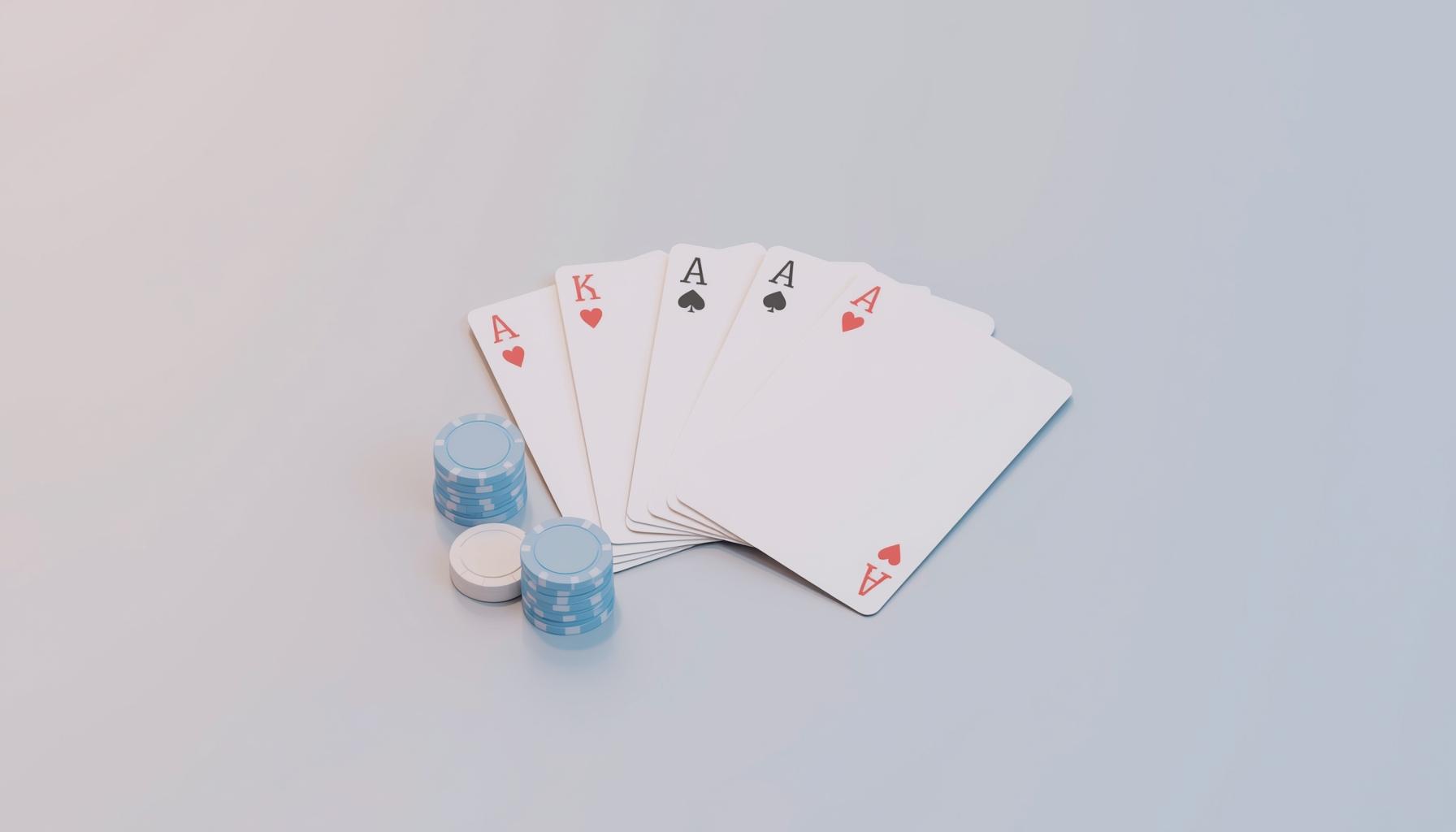
Classic blackjack rewards steady players with simple rules and moderate risk, but some Canadian casinos now push alternatives that change the experience. The choice of variant shapes both the pace and the odds, often leaving casual participants at a disadvantage if they do not adapt.
- Classic blackjack offers clear decisions and manageable variance
- Spanish 21 rewards card counters with more flexible rules and bonus payouts
- Blackjack Switch appeals to those who crave unusual strategy and more hands per hour
- Free Bet Blackjack draws action seekers with frequent no-cost doubles and splits
- Classic tables may feel slow to action-driven gamblers
- Spanish 21 removes all tens, raising volatility and risk
- Blackjack Switch's lower natural payout hurts big-win potential
- Free Bet Blackjack makes the dealer push on 22, erasing more wins than expected
Picking the wrong variant can drain a bankroll faster than expected, especially when new rules are misunderstood. Experienced players often rotate between options to suit the session's pace and their appetite for risk.